Redesigning Document Processing into an AI-First Workflow System
Reimagined document processing as an intent-driven, AI-first workflow, shifting from file manipulation to structured insight generation.
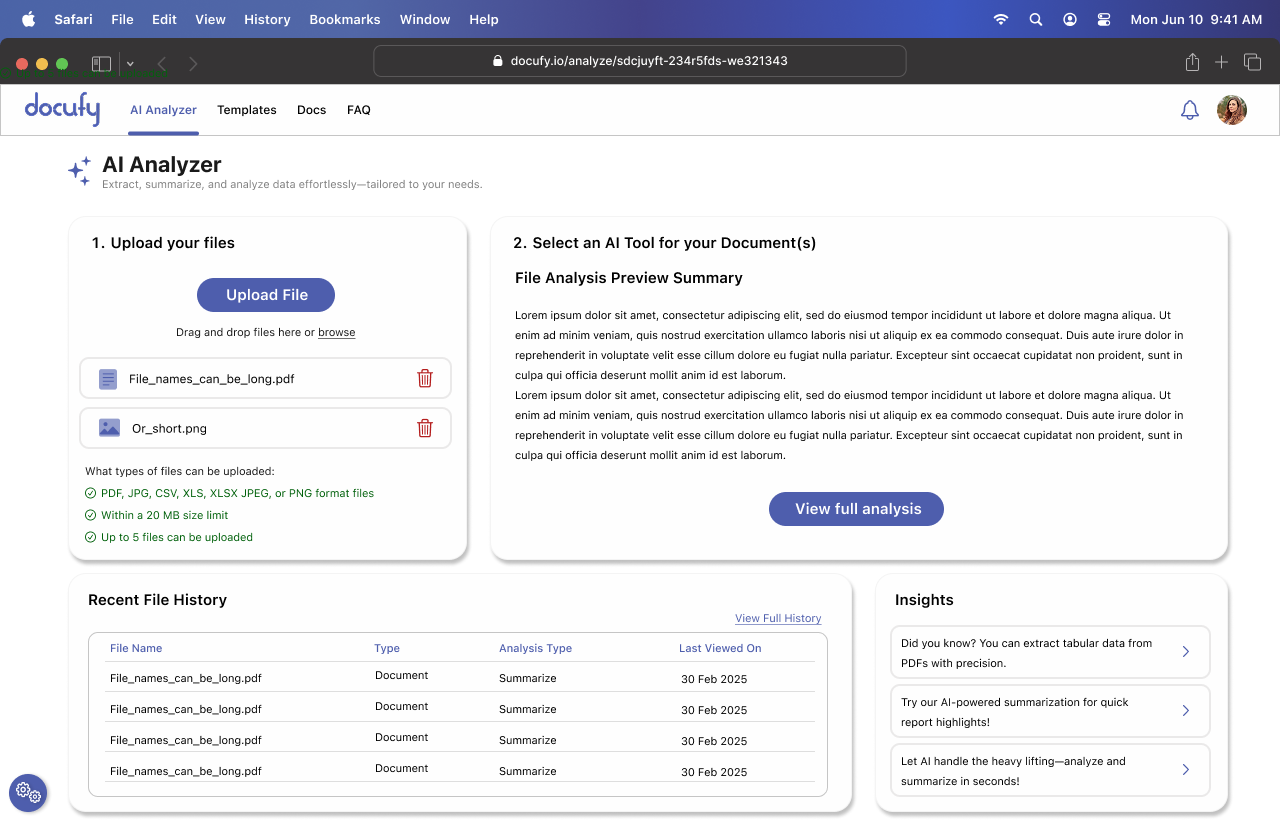
The Gap
Business gap
IlovePDF, SmallPDF, Lumin PDF, and Adobe Acrobat all prioritize file conversion and manipulation over information extraction. Where AI features exist, they are fragmented, secondary, or gated behind paywalls, so a user has to find the right tool before any analysis even starts.
User gap
Users handling multi-page documents (students, researchers, legal teams, analysts) spend hours manually scanning for relevant information. Existing tools lack guided intent selection, transparent AI processing states, and structured insight outputs.
How I worked
Research
Conducted competitive analysis of IlovePDF, SmallPDF, Lumin PDF, and Adobe Acrobat. Identified a pattern: workflows were tool-centric, not outcome-centric. Supplemented with informal usability sessions to observe hesitation during tool selection and confusion around AI expectations.
Strategy
Shifted the mental model from file manipulation to intent-driven interaction. Designed a workflow structured as: Upload → Select Intent → AI Processing → Structured Insight → Refine → Download.
Wireframes
Explored three structural models: a tool-grid interface, a contextual side-panel AI model, and a guided step-based workflow. Validated informally and selected the guided workflow to reduce cognitive load and improve clarity.
Iterations
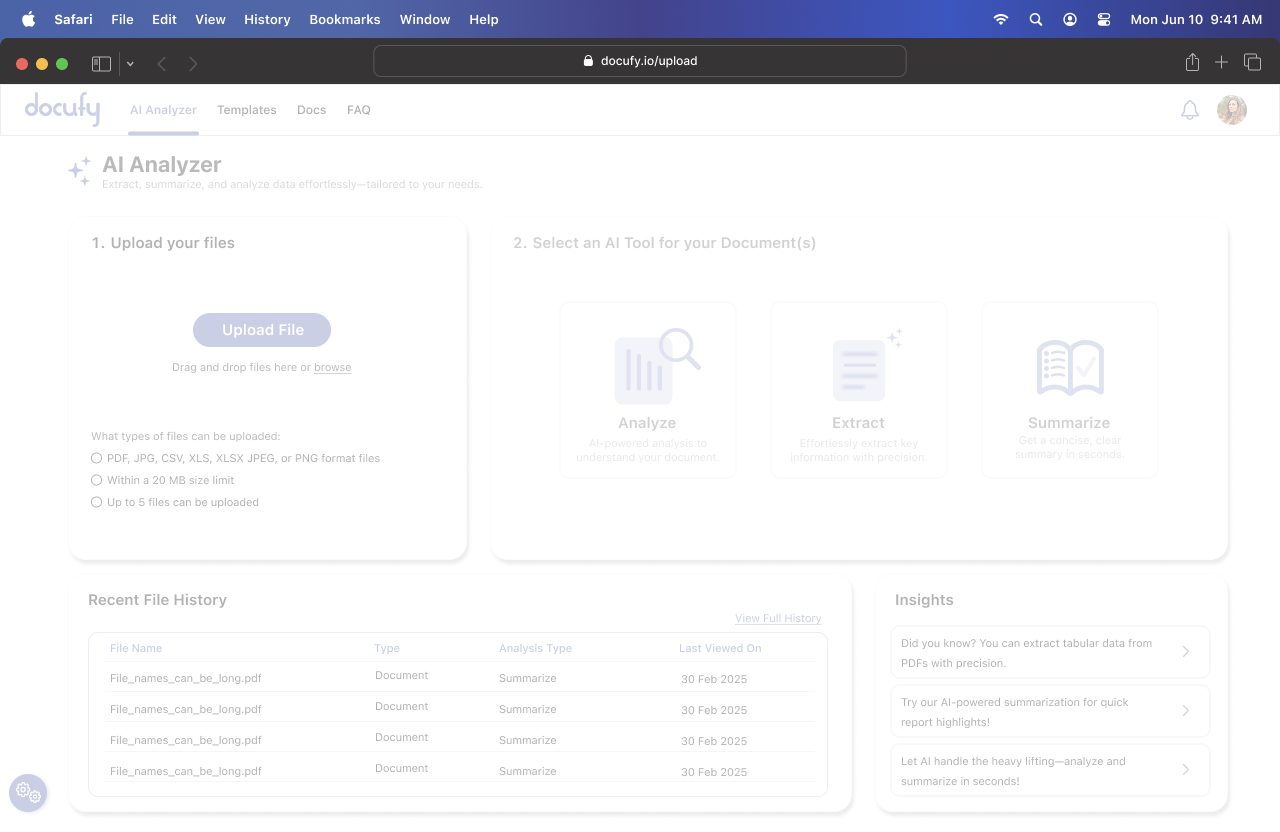
Mapped key system states (idle, drag-hover, validating, uploading, processing, success, error) and refined error handling, loading clarity, and insight presentation. Iterative refinement focused on reducing ambiguity in asynchronous AI behavior.
What we built
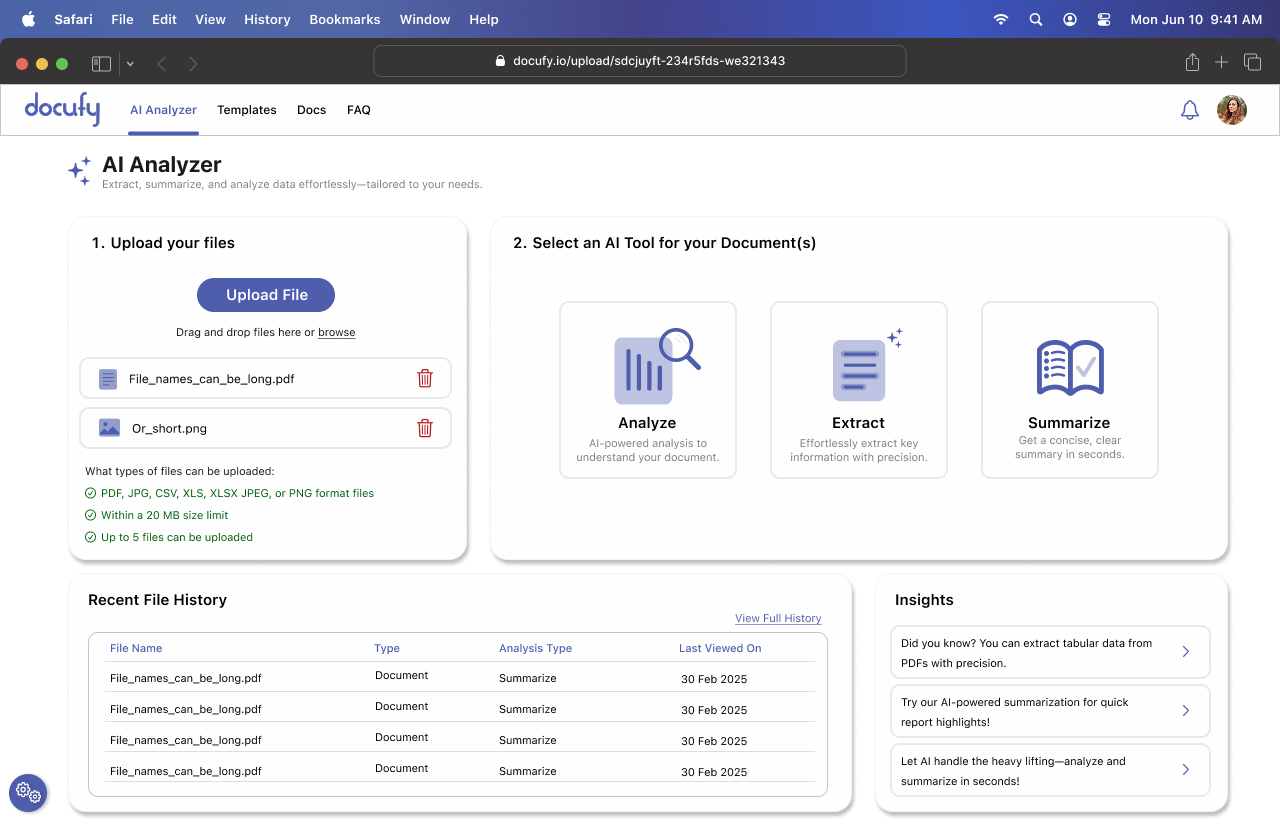
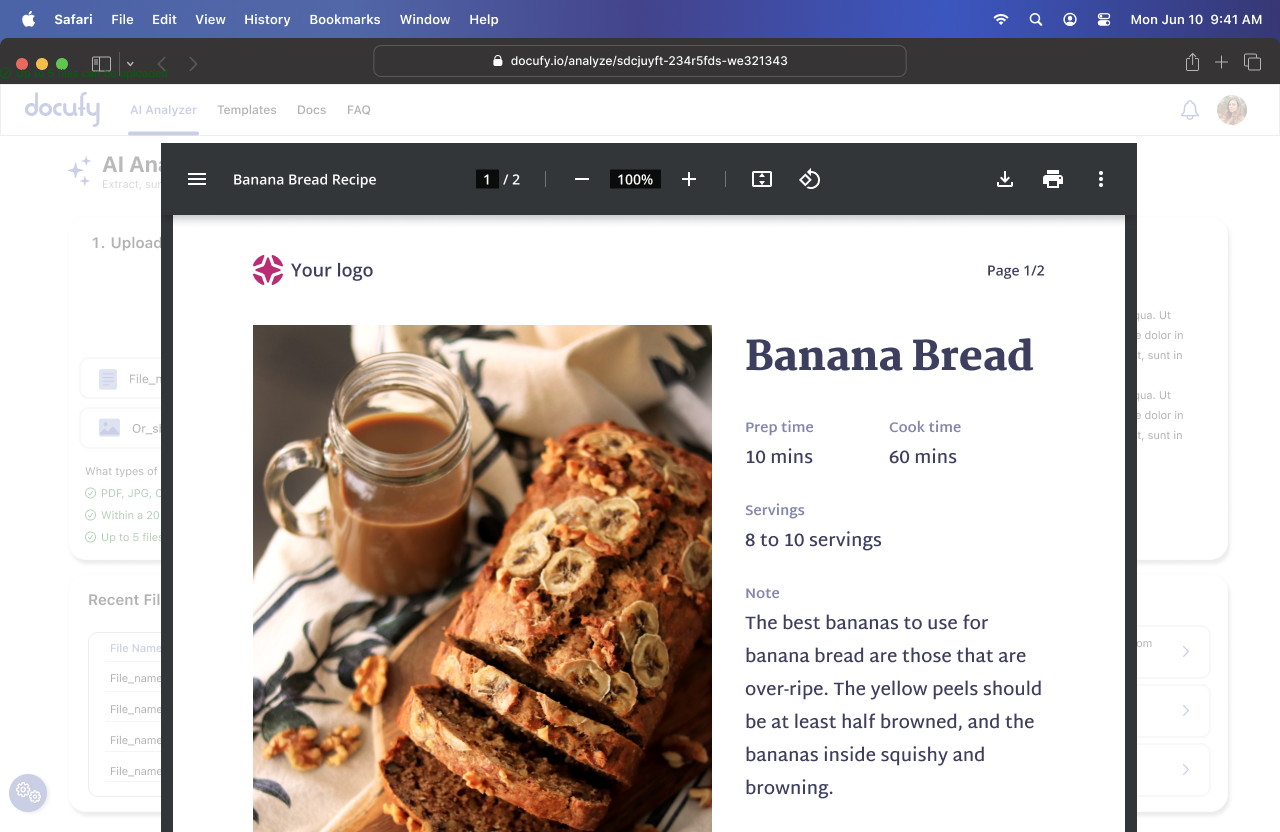
A workflow-first AI document system that guides users through intent selection rather than overwhelming them with multiple tools. The interface emphasizes clarity, progressive disclosure, and structured insight output.
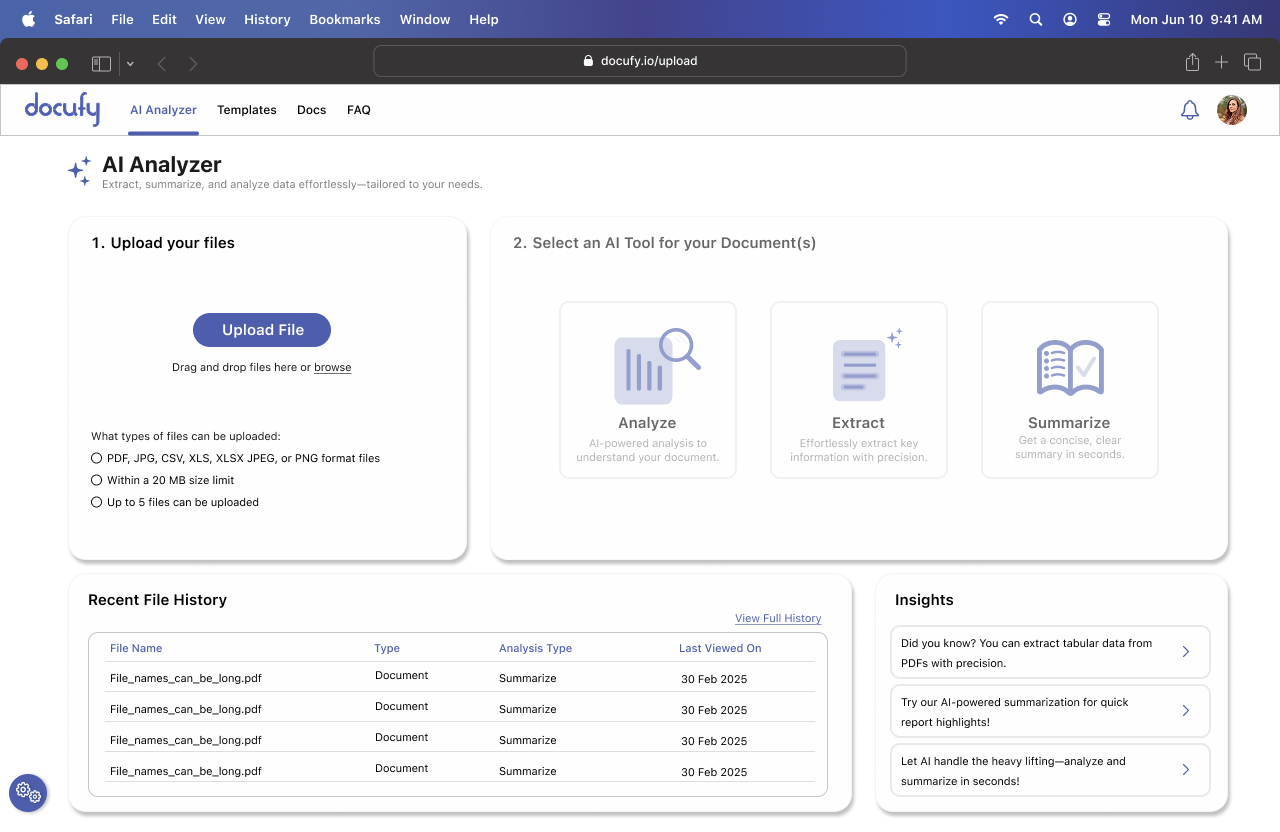
Integrated a tool-based, context-aware AI model (Analyze, Extract, Summarize) designed for iterative refinement. Users can regenerate outputs, adjust output depth, and refine specific sections, positioning AI as a collaborative workflow partner rather than a one-time processor.
Designed reusable state patterns for upload validation, asynchronous processing feedback, error messaging, and structured insight blocks, forming the foundation for scalable AI interaction patterns.
What changed
Results
As a conceptual project, the focus was on redefining workflow architecture rather than shipping to production. The redesigned system demonstrates how AI can be embedded meaningfully into document workflows to reduce cognitive load and support faster insight generation.
Learnings
AI workflows require intentional state design and transparency. Users need visible processing feedback, structured outputs, and refinement control to build trust. Designing AI is less about adding intelligence and more about designing clarity around uncertainty.
Next steps
Future iterations would add layered explainability: confidence indicators and citation anchors next to each extracted claim, plus version history so a user can see what changed between regenerations. Bulk upload for enterprise use is the other clear gap.
Next project
Designing a Humane Content Moderation QueueSafeQueue · Trust & Safety Tooling · Concept · 2026
See all works